Boat cargo lifts are essential equipment for marine enthusiasts, boat owners, and waterfront property managers. They provide safe, efficient lifting and storage of boats, preventing damage from water exposure and simplifying maintenance. Selecting the right lift and maintaining it properly ensures long-term durability, smooth operation, and safety. Many marine operators rely on trusted services like Boat and Cargo Lifts Carolinas to guide them in choosing the right lift and providing professional installation in Charleston, SC.
This guide will explain how to choose and maintain a boat cargo lift, covering types of lifts, key features, installation considerations, maintenance tips, and safety best practices. Whether you are a new boat owner or upgrading your waterfront setup, these strategies will help you make informed decisions.
Why Boat Cargo Lifts Are Important
Boat lifts protect your vessel from constant water exposure, which can lead to corrosion, hull damage, and algae growth. They also simplify routine maintenance tasks like cleaning, painting, and engine inspections. Other benefits include:


Preventing damage from storms and fluctuating tides
Extending the lifespan of your boat
Saving time on docking and launching
Improving waterfront property safety
For boat owners in Charleston and the surrounding South Carolina region, using a professional marine lift service ensures that the installation meets local regulations and environmental standards.
Types of Boat Cargo Lifts
Choosing the right lift depends on your boat type, water depth, and usage patterns. Common types include:
1. Hydraulic Boat Lifts
Smooth operation with minimal manual effort
Can lift heavier boats with stability
Often includes remote or automated controls
Requires professional installation
2. Electric Boat Lift
Powered by electricity for easy lifting
Suitable for medium-sized boats
Can include programmable height adjustments
Needs regular electrical system checks
3. Manual Boat Lifts
Cost-effective and simple
Ideal for smaller boats
Requires physical effort to lift
Low maintenance but less convenient for frequent use
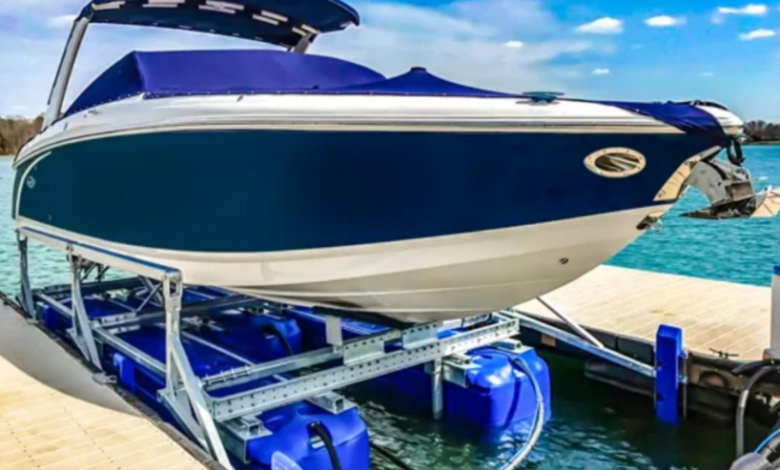
4. Floating Boat Lifts
Uses pontoons or floats to raise the boat
Flexible installation in varying water depths
Can accommodate irregular dock setups
Less common but highly versatile
Selecting the correct type ensures operational efficiency, safety, and long-term durability.
See also: How Kbccrbyc Is Reshaping Business Strategies Worldwide
Factors to Consider When Choosing a Boat Cargo Lift
1. Boat Size and Weight
Ensure the lift can support the full weight of your boat. Overloading can damage the lift and create hazards.
2. Water Depth and Tides
Charleston’s waterways have variable tides. Choose a lift with sufficient vertical travel to account for water level fluctuations.
3. Dock and Property Layout
Assess dock structure, clearance, and available space. Some lifts require reinforced pilings or concrete footings.
4. Lift Material
Aluminum: Lightweight, corrosion-resistant
Galvanized Steel: Strong, durable, resistant to weather
Composite Materials: Low maintenance, durable
Material choice affects longevity and maintenance requirements.
5. Control Mechanisms
Automatic or remote-controlled lifts add convenience but require reliable power supply and occasional maintenance. Manual lifts are simple but require effort.
6. Local Regulations
Check Charleston and South Carolina boating regulations regarding dock installations, waterway permits, and environmental guidelines.
Professional Installation vs DIY
While some boat lifts can be installed by experienced DIYers, professional installation offers several advantages:
Correct structural support and alignment
Compliance with local codes and permits
Reduced risk of damage or injury
Faster setup and calibration
Many boat owners in Charleston rely on Cargo lift Charleston SC services to handle installation safely and efficiently.
Maintenance Tips for Boat Cargo Lifts
Proper maintenance extends the life of your lift and ensures smooth operation. Key steps include:
1. Inspect Regularly
Check cables, chains, and pulleys for wear
Look for corrosion on metal parts
Ensure bolts and fasteners are tight
2. Lubricate Moving Parts
Use marine-grade lubricants
Focus on cables, pulleys, and hydraulic components
3. Clean Surfaces
Remove salt deposits to prevent corrosion
Rinse aluminum or steel components with freshwater after exposure to brackish water
4. Test Operational Mechanisms
Lift and lower the boat periodically
Listen for unusual noises or resistance
Test remote or control panels
5. Winterization
Remove sensitive electronic components if necessary
Cover exposed areas to prevent weather damage
Drain hydraulic systems if applicable
Safety Best Practices
Using a boat cargo lift safely protects both the vessel and people.
Never exceed the rated weight capacity
Keep hands and feet clear of moving parts
Ensure the lift is level and securely anchored
Train all users on proper operation
Use safety locks or stops when the boat is stored
Following these guidelines prevents accidents and maintains lift performance over time.
Signs Your Lift Needs Professional Attention
Even with routine maintenance, wear and tear can occur. Look for:
Uneven lifting or jerky movemen
Frayed cables or chains
Hydraulic fluid leaks
Excessive corrosion
Electrical malfunctions
Professional inspection can prevent costly repairs and extend lift longevity.
Benefits of Using a Local Marine Service
Working with a Charleston-based service ensures faster support, local expertise, and familiarity with the area’s water conditions. Advantages include:
Quick response for maintenance or emergencies
Knowledge of tidal patterns and dock layouts
Access to certified replacement parts
Expert guidance on lift upgrades or replacements
Trusted providers like boatandcargoliftcarolinas.com deliver reliable service for both installation and ongoing maintenance.
Choosing the Right Lift for Your Needs
When selecting a boat cargo lift:
Evaluate your boat size, type, and usage frequency
Consider local water conditions and dock setup
Choose a material and control mechanism suitable for your environment
Plan for professional installation and ongoing maintenance
A carefully selected lift ensures safety, convenience, and long-term satisfaction.
Final Thoughts
A properly sized and maintained boat cargo lift improves safety, protects your investment, and simplifies waterfront operations. From choosing the right type to performing routine maintenance, following these best practices ensures your lift operates smoothly for years. Many Charleston boat owners trust professional services like Boat and Cargo Lifts Carolinas for expert installation, maintenance, and guidance tailored to the South Carolina marine environment.
By investing time and effort into the right lift and ongoing care, you can enjoy safer, more efficient boating experiences while protecting your valuable vessel from damage and environmental exposure.