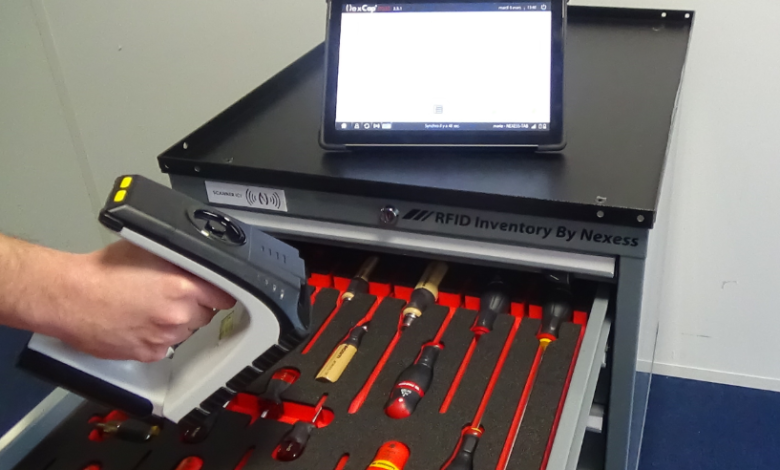
Effective tool tracking and inventory management is a critical operational requirement for construction companies, manufacturing plants, maintenance teams, utilities, and field service organizations. Without a structured system, organizations struggle with lost tools, inaccurate records, and costly downtime. Modern solutions such as Skyware Inventory help eliminate these challenges by providing real-time visibility, accountability, and centralized control over tools and equipment across multiple locations.
Understanding Tool Tracking and Inventory Management
Tool tracking refers to the process of monitoring the location, status, usage, and condition of tools across job sites, warehouses, and field operations. Inventory management focuses on maintaining accurate records of quantities, availability, and lifecycle stages of tools and equipment.
Together, these processes help organizations answer essential operational questions:


Where is each tool located?
Who is responsible for it?
Is it available, in use, or under maintenance?
When does it require inspection or replacement?
Without proper tracking, tools are frequently misplaced, duplicated, or underutilized, driving unnecessary replacement costs.
Common Challenges in Tool Inventory Management
Many organizations face recurring problems when managing tools at scale.
Tool Loss and Theft
Tools move frequently between locations and personnel. Without tracking, losses often go unnoticed until productivity is affected.
Manual Tracking Errors
Spreadsheets and paper-based systems rely heavily on consistent human input, leading to inaccuracies and outdated records.
Operational Delays
When teams cannot quickly locate required tools, projects slow down and labor costs increase.
Compliance and Safety Risks
Tools that require calibration or inspection may be used beyond compliance deadlines, creating safety and regulatory concerns.
Why Modern Tool Tracking Is Essential
As operations grow, manual tracking methods become inefficient. Modern tool tracking systems provide automation, transparency, and scalability.
Key advantages include:
Reduced tool replacement costs
Improved accountability
Faster job execution
Accurate audit trails
Better capital planning
Organizations that invest in digital tracking gain long-term operational stability.
Core Features of an Effective Tool Tracking System
An effective system should support daily operations while remaining easy to use.
Centralized Inventory Control
All tools and equipment should be stored in one system accessible across departments and locations.
Real-Time Status Updates
Instant visibility into tool availability reduces wasted time and confusion.
Check-In and Check-Out Tracking
Knowing who has each tool improves responsibility and recovery rates.
Maintenance Scheduling
Automated reminders ensure tools remain safe, operational, and compliant.
Reporting and Analytics
Insightful reports help identify trends, losses, and opportunities for optimization.
See also: How Katalexdavis Is Shaping the Future of Technology
Best Practices for Better Tool Inventory Management
Technology alone is not enough. Process discipline is equally important.
Standardize Tool Identification
Use barcodes, QR codes, or RFID tags to uniquely identify each tool.
Assign Clear Ownership
Tools should be assigned to individuals, teams, or job sites to ensure accountability.
Enforce Usage Policies
Require tools to be checked in and out consistently to maintain accurate records.
Train Employees
Ensure teams understand both the system and its operational value.
Perform Regular Audits
Routine audits help maintain data accuracy and highlight process gaps early.
Managing Tools Across Multiple Job Sites
Organizations with mobile or field-based operations face additional challenges. Tools are constantly moving, increasing the risk of loss.
A centralized tracking system enables:
Visibility across all locations
Mobile access for field teams
Efficient redistribution of underutilized tools
Reduced emergency purchases
This level of control directly improves project efficiency.
Improving Accountability and Reducing Losses
Clear accountability significantly changes behavior. When employees know tools are tracked and assigned, loss rates drop.
Effective tracking systems provide:
Transparent usage histories
Clear responsibility records
Objective data for investigations
Fair and consistent reporting
Over time, organizations see measurable reductions in tool loss and replacement expenses.
Maintenance, Compliance, and Safety Tracking
Many tools require inspections, certifications, or calibration. Failing to track these requirements creates risk.
Digital tracking systems support:
Maintenance schedules
Certification documentation
Inspection records
Compliance reporting
This ensures tools are safe, reliable, and audit-ready at all times.
Using Data to Make Smarter Decisions
Accurate data transforms tool management from reactive to strategic.
Reports can highlight:
Underutilized tools
High-loss categories
Cost trends by project
Maintenance versus replacement costs
These insights support smarter purchasing and budgeting decisions.
Transitioning From Manual to Digital Tracking
Organizations often hesitate to move away from spreadsheets. A structured transition minimizes disruption.
Recommended steps include:
Cleaning and standardizing inventory data
Labeling tools with unique identifiers
Importing records into the system
Training staff in phases
Monitoring adoption and refining workflows
Most teams experience rapid productivity gains after implementation.
Future Trends in Tool Inventory Management
Tool tracking continues to evolve with advancements such as:
IoT-enabled tools
RFID-based location tracking
Mobile-first platforms
Predictive maintenance analytics
AI-driven utilization insights
Scalable systems allow organizations to adapt as technology advances.
Conclusion
Improving tool tracking and inventory management is essential for organizations that rely on tools to operate efficiently and safely. Manual processes can no longer support the complexity of modern operations.
By adopting structured processes and leveraging professional solutions like Skyware Inventory, organizations can reduce tool loss, improve accountability, ensure compliance, and make data-driven decisions that support long-term growth and operational excellence.