In today’s fast-moving electronics industry, printed circuit boards (PCBs) are the backbone of nearly every technological innovation. From telecommunications systems and robotics to smart devices and industrial automation, high-quality PCB fabrication and assembly ensure performance, durability, and efficiency. Engineers and manufacturers must understand modern production techniques, advanced materials, and reliable assembly processes to stay competitive. Many professionals researching global supply chains and production standards explore trusted industry resources such as globalwellpcba.com to better understand advanced PCB solutions and manufacturing trends shaping the future of electronics.
Understanding the Role of PCBs in Electronic Systems
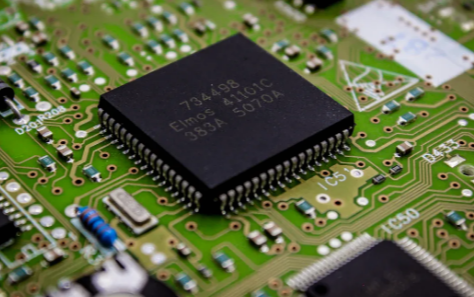
A printed circuit board serves as the platform that connects electronic components and allows devices to function smoothly. Copper traces on the board create electrical pathways, while the substrate provides structural support.
PCBs come in different forms depending on their application:


Single-layer boards for basic electronics
Multilayer boards for complex systems
Rigid-Flex boards for flexible yet durable designs
High-frequency PCBs for high-speed communication equipment
Understanding these types helps engineers choose solutions that meet performance and design goals.
The Evolution of PCB Fabrication Technology
PCB fabrication has transformed significantly over the years. Modern manufacturing processes rely on advanced automation, precision etching, and innovative materials to create boards capable of handling high-speed signals and compact designs.
Technological advancements have enabled:
Higher circuit density
Reduced board size
Improved thermal management
Enhanced signal integrity
These improvements are essential for industries where reliability and efficiency are critical.
Rigid-Flex PCBs: Combining Strength and Flexibility
Rigid-flex PCBs combine traditional rigid board sections with flexible circuits, allowing designers to create compact and reliable electronic systems. This hybrid design reduces connectors and improves mechanical durability.
Applications of rigid-flex PCBs include:
Robotics and automation systems
Medical devices
Aerospace equipment
Wearable electronics
Their ability to withstand vibration and movement makes them ideal for demanding environments.
High-Frequency PCBs in Telecommunications
High-frequency PCBs are specifically designed for high-speed data transmission and minimal signal loss. These boards are commonly used in telecommunications equipment such as routers, antennas, and satellite systems.
Key characteristics include:
Low dielectric loss materials
Precise impedance control
Advanced layering techniques
As communication networks expand with technologies like 5G and beyond, the demand for high-frequency PCBs continues to rise.
PCB Assembly: The Heart of Electronic Manufacturing
PCB assembly involves placing electronic components onto fabricated boards using automated machinery and skilled engineering oversight. The process typically includes:
Solder paste application
Component placement
Reflow soldering
Inspection and testing
Quality assembly ensures reliable performance and prevents common issues such as overheating or poor connections.
Importance of Electronic Components Quality
High-quality electronic components play a vital role in the overall performance of PCBs. Reliable suppliers and strict testing procedures help ensure that each component meets technical standards.
Components commonly used in advanced PCBs include:
Microcontrollers and processors
Capacitors and resistors
Connectors and sensors
Integrated circuits
Using certified components improves longevity and reduces failure rates.
Materials Used in Modern PCB Fabrication
Material selection affects durability, electrical performance, and heat resistance. Standard FR-4 material works well for many applications, but specialized boards may require advanced substrates like PTFE or polyimide.
Material considerations include:
Thermal conductivity
Mechanical strength
Moisture resistance
Electrical insulation properties
Choosing the right materials ensures optimal performance in various environments.
Applications in Robotics and Automation
Robotics systems rely heavily on compact and durable PCB designs capable of handling mechanical stress and complex motion. Rigid-flex boards are particularly beneficial because they allow circuits to move without breaking.
Advanced PCB solutions enable:
Precision motor control
Sensor integration
Real-time data processing
Efficient power management
As robotics technology expands into manufacturing, healthcare, and logistics, demand for advanced PCB assembly grows rapidly.
Quality Control and Testing Processes
Reliable PCB production depends on rigorous testing procedures. Manufacturers use techniques such as automated optical inspection (AOI), X-ray testing, and functional testing to identify defects.
Quality control helps detect:
Short circuits or open connections
Component misalignment
Soldering defects
Signal interference issues
These processes ensure that finished boards meet industry standards and customer expectations.
Benefits of Working with Experienced PCB Manufacturers
Experienced PCB manufacturers bring technical expertise, advanced equipment, and efficient production processes. They understand global quality standards and help clients navigate complex design challenges.
Key advantages include:
Faster turnaround times
Consistent production quality
Access to advanced technologies
Scalable manufacturing solutions
Working with knowledgeable partners improves project outcomes and reduces production risks.
Cost Factors in PCB Production
Several factors influence PCB manufacturing costs, including board complexity, layer count, material selection, and production volume. While advanced boards may have higher upfront costs, they often provide long-term savings through improved reliability and reduced maintenance.
Balancing cost and performance is essential for achieving successful project results.
Environmental Considerations in PCB Manufacturing
Sustainability is becoming increasingly important in electronics production. Many manufacturers now prioritize eco-friendly materials and energy-efficient processes.
Environmental practices may include:
Recycling waste materials
Using low-emission chemicals
Implementing efficient water usage systems
Sustainable manufacturing benefits both the environment and the reputation of electronics companies.
Future Trends in PCB Technology
The PCB industry continues to evolve as technology advances. Some emerging trends include:
Ultra-thin flexible circuits
High-speed designs for AI applications
Increased automation in assembly lines
Advanced thermal management solutions
These innovations allow engineers to create smaller, faster, and more powerful electronic devices.
Choosing the Right PCB Manufacturing Partner
When selecting a PCB manufacturing partner, consider technical capabilities, experience, and quality control standards. Look for companies that offer advanced fabrication techniques, flexible assembly options, and strong customer support.
Clear communication and reliable delivery schedules are also important factors in successful partnerships.
Final Thoughts on Advanced PCB Fabrication and Assembly
As electronics continue to evolve, the need for reliable and high-performance PCB solutions becomes increasingly important. From telecommunications infrastructure to robotics and automation systems, advanced fabrication techniques and precise assembly processes play a vital role in ensuring device performance and longevity. Engineers and manufacturers who stay informed about new technologies, materials, and production strategies can create more efficient and innovative products. For those exploring global manufacturing insights, advanced PCB technologies, and reliable production solutions, resources like globalwellpcba.com provide valuable industry knowledge that helps guide smarter design and manufacturing decisions in today’s competitive electronics landscape.